
Analyst: Chances of Renewed Large-Scale War Are Low, Prospects for Agreement Remain Slim
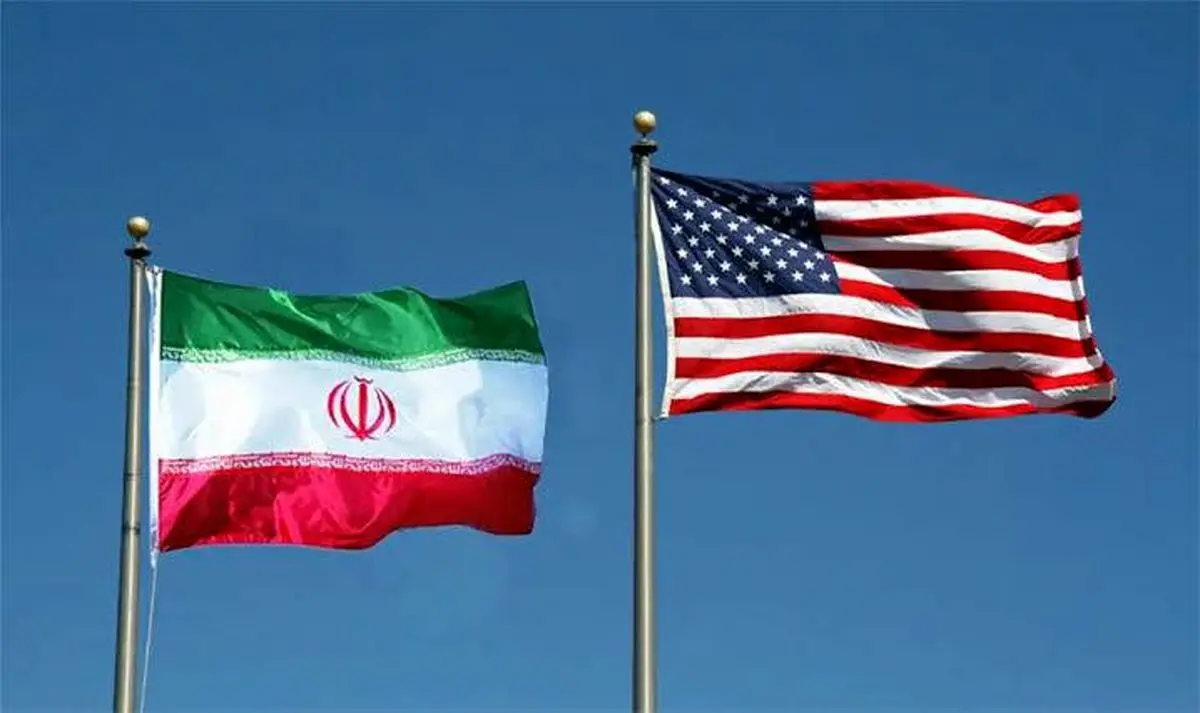
A regional affairs analyst said he does not expect a return to the pattern of confrontation seen during the 40-day war over the next two to three months, arguing that both military and political conditions have changed since the conflict.
Regional affairs analyst Mohammad Khajouei said recent weeks have seen growing speculation about progress in negotiations between Iran and the United States, including reports that the two sides were moving closer to a draft agreement.
Speaking to ILNA, Khajouei said unofficial but widely circulated reports suggested that the proposed agreement would take the form of an interim arrangement focused first on ending the war, reopening the Strait of Hormuz, and ending the maritime blockade within a 60-day period, before moving on to discussions regarding the nuclear issue.
He said the reported framework closely resembled proposals that Iran had been advancing in recent weeks.
According to Khajouei, following the Islamabad talks, Iran adjusted its negotiating approach in favor of a step-by-step process based on reciprocal measures rather than seeking a comprehensive agreement in a single stage. Under this approach, issues related to the Strait of Hormuz and the maritime blockade would be addressed first, while nuclear negotiations would follow in a later phase.
The analyst said the prominence of Iran’s preferred framework in the reported draft agreement triggered significant criticism within the United States.
He pointed to criticism from figures including Senator Lindsey Graham, former Secretary of State Mike Pompeo, and Senator Ted Cruz, who argued that such an arrangement resembled the 2015 nuclear agreement and would benefit Iran by easing pressure while postponing resolution of the nuclear issue.
Khajouei added that reports also indicated dissatisfaction from Israel regarding the proposed framework.
He said these pressures made it difficult for U.S. President Donald Trump to present the agreement as a political success following the war, contributing to a reassessment of Washington’s position.
Referring to reports published by The New York Times and Axios, Khajouei said the Trump administration was seeking to add new provisions to the draft agreement that would make progress more difficult. According to those reports, Washington wants the framework of a nuclear arrangement to be addressed in the initial phase, particularly regarding the issue of transferring enriched uranium out of Iran, while leaving detailed negotiations for a later stage.
Asked about the possibility of renewed military action, Khajouei said he does not expect a return to the pattern of confrontation seen during the 40-day war within the next two to three months.
“In my assessment, given current conditions, we will not return to the circumstances of the 40-day war and that model of conflict in the next two to three months,” he said.
Khajouei argued that many of the military targets struck during the war had already reached a point of saturation and that, despite carrying out the attacks, the United States failed to secure a clear strategic achievement.
He said Iran’s political structure remained intact, while the nuclear issue and the country’s stockpile of enriched uranium were preserved. He also argued that new dynamics, including those related to the Strait of Hormuz, emerged as a result of the conflict.
According to Khajouei, the economic costs of the war for both the global economy and the United States have generated significant pressure on Washington, making a return to the previous pattern of conflict unlikely.
He said a more likely scenario in the coming days and weeks would be a prolonged war of attrition, with each side seeking to weaken the other over time.