
Trump’s Mixed Signals on Iran Reflect Political Frustration, Analyst Says
Contradictory messages from U.S. President Donald Trump on Iran reflect an administration struggling to secure a diplomatic breakthrough while seeking to preserve regional stability ahead of the FIFA World Cup, according to an Iranian political analyst, who warned that Republican setbacks in the midterm elections could turn Trump into a politically weakened “lame duck” president.
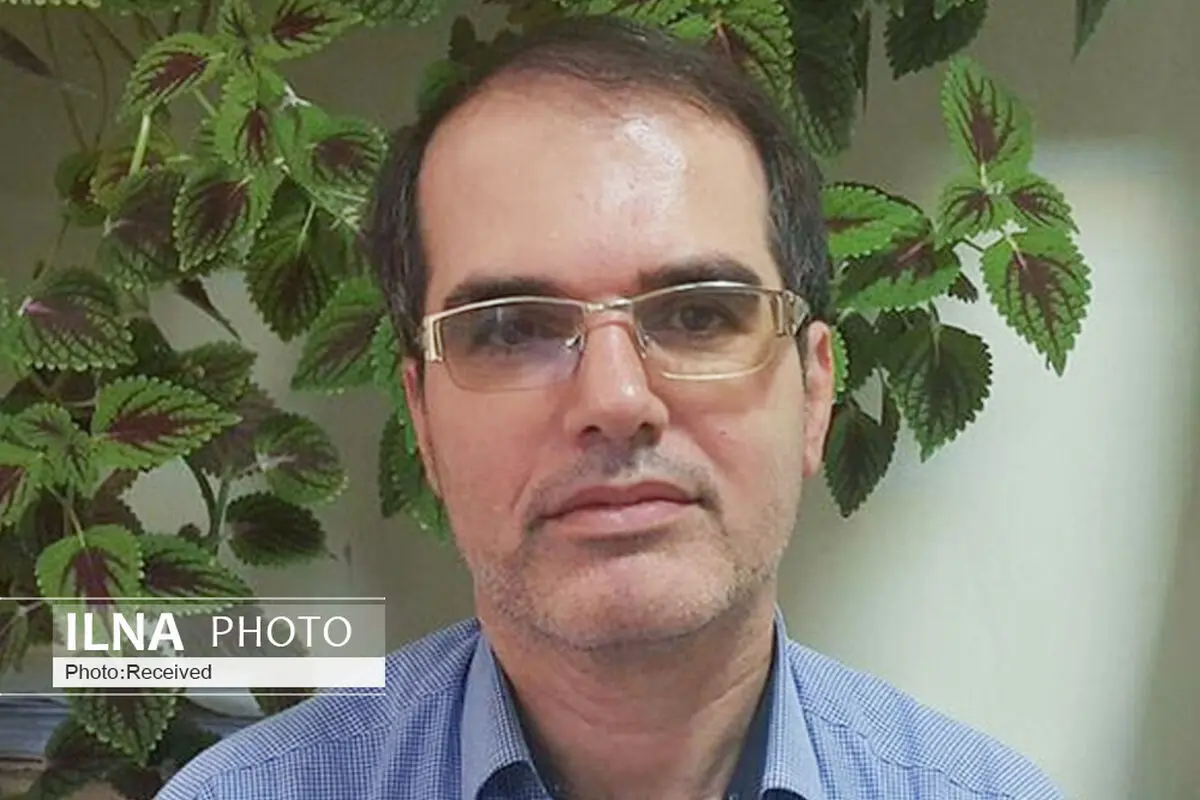
The contradictory positions adopted by U.S. President Donald Trump regarding negotiations with Iran reflect confusion and frustration within his administration as it seeks to secure a political achievement on the Iranian issue, Iranian international affairs analyst Morteza Makki said.
Speaking to ILNA, Makki argued that Trump is attempting to present a breakthrough with Iran as a political success to the American public but has so far failed to find a way out of the current impasse.
“Trump is trying, on the one hand, to wage psychological warfare against Iran and, on the other, to place responsibility for any potential failure in the negotiations on Tehran,” he said. “This would allow Washington to justify alternative courses of action should developments fail to unfold as it desires.”
Makki stressed that the United States has limited options available.
“The reality is that Trump does not have many choices,” he said. “The current situation of neither war nor peace does not help Washington manage tensions or reduce uncertainty in global energy markets. On the contrary, it has generated new costs and challenges.”
According to the analyst, continued uncertainty surrounding the Strait of Hormuz and regional security has made future developments increasingly difficult to predict, while energy-consuming nations remain concerned about the stability of supplies and long-term planning.
Makki argued that another military confrontation with Iran would not necessarily yield the results Washington seeks.
“A rapid military operation would not automatically translate into rapid strategic gains,” he said, adding that recent conflicts have demonstrated Iran’s capacity to impose significant costs on its adversaries and affect regional stability.
Makki also linked Washington’s current approach toward Iran to broader political calculations surrounding the upcoming FIFA World Cup and domestic developments in the United States.
According to the analyst, the Trump administration is seeking to avoid major regional escalation ahead of the tournament while simultaneously attempting to manage political pressures at home.
He argued that continued policy failures could weaken Republican standing in the midterm elections and push the administration into what is commonly referred to in U.S. politics as a “lame duck” period, limiting its ability to advance major political and strategic objectives during the remainder of its
The analyst maintained that diplomacy remains the only practical option for resolving outstanding issues between Tehran and Washington.
“The only viable path is diplomacy and an agreement,” he said. “However, while the United States presents itself as committed to negotiations, it simultaneously introduces conditions that call into question understandings previously reached between the two sides.”
Makki added that Iran would not repeat past experiences by relying solely on American promises and would expect tangible steps from Washington before entering discussions on more sensitive issues.
“The nuclear issue and Iran’s enriched materials will be addressed in later stages of negotiations, once the United States demonstrates its commitment to reducing pressure and ending hostile measures,” he said.
Commenting on recent U.S. actions in the region, Makki said Washington’s simultaneous use of diplomatic language and military signaling reflects both strategic frustration and efforts to exert psychological pressure on Iran.
“All these actions stem from a combination of frustration and psychological warfare,” he said.
Makki also argued that time may not be on Washington’s side, pointing to upcoming political challenges facing the Trump administration.
Turning to regional developments, he said proposals linked to the Abraham Accords and pressure on certain Persian Gulf states should be viewed as part of broader U.S. efforts to secure political gains in exchange for flexibility toward Iran.
According to Makki, recent regional developments have led several Persian Gulf countries to reassess their security calculations and question whether the United States can reliably guarantee long-term stability in the region.
He noted that cooperation between Iran and Oman regarding the management of maritime traffic through the Strait of Hormuz falls within the rights of the two littoral states under international law.
“As the two coastal states overlooking the Strait of Hormuz, Iran and Oman have the right to establish mechanisms that facilitate the safe and secure passage of commercial and energy shipments,” he said.
Makki added that discussions concerning maritime services in the strategic waterway relate to the provision of navigational, safety, and management services rather than the imposition of transit fees.
The analyst further argued that the regional order in the Middle East is undergoing significant transformation following recent developments.
“The post-conflict regional environment is fundamentally different from what existed before,” he said. “A new regional order is gradually taking shape, and the positions adopted by Washington should be understood within this broader geopolitical context.”
Addressing Israel’s role, Makki said the Israeli regime and its affiliated lobbying networks remain among the factors that could complicate efforts to reach an agreement between Tehran and Washington.
He argued that any understanding between Iran and the United States could conflict with Israeli objectives and therefore face resistance from those seeking to prevent a diplomatic breakthrough.
Nevertheless, Makki maintained that regional and international developments have altered political dynamics and reduced the ability of pro-Israel circles to influence U.S. decision-making to the same extent as in previous periods.
He concluded that growing debate within the United States regarding the extent of Israeli influence on American foreign policy reflects broader concerns about the direction of Washington’s approach toward Iran and the region.