
Rumors of President’s Resignation Lack Basis, Reflect Political Rivalries: Analyst
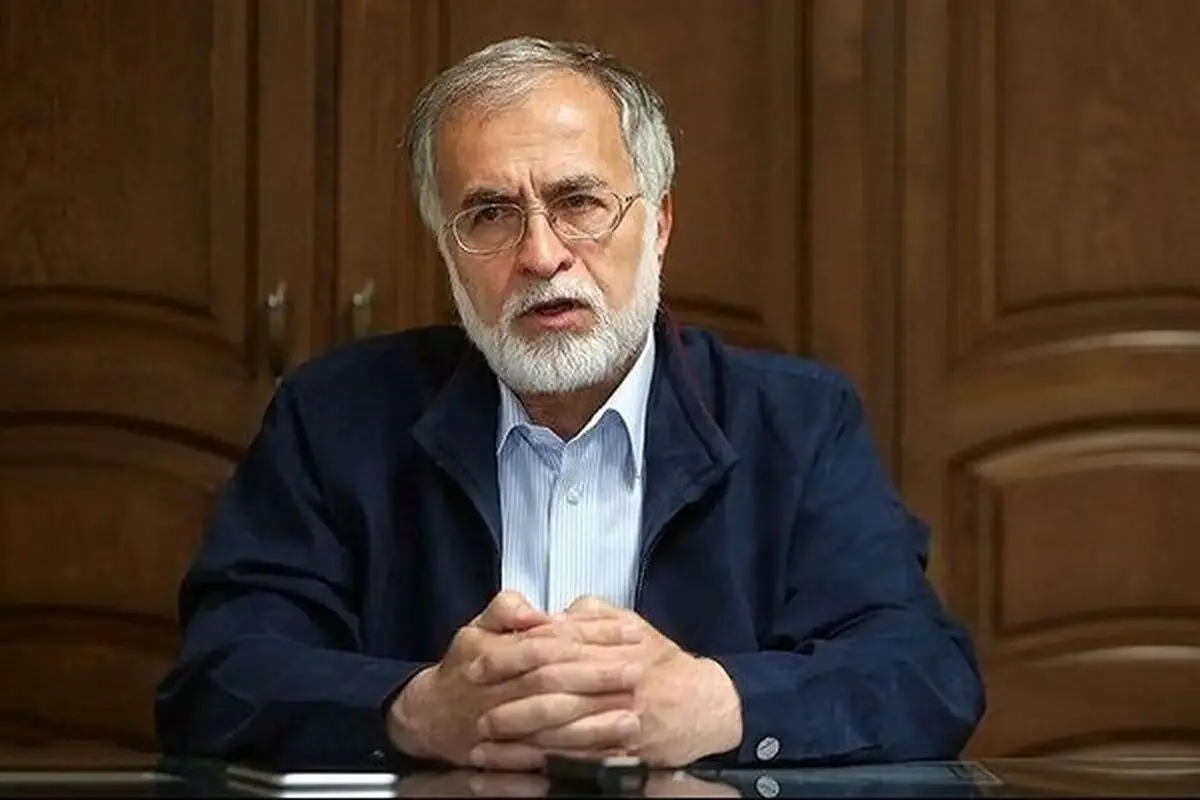
Recurring speculation about the resignation of President Masoud Pezeshkian has no basis in reality and largely stems from political rivalries rather than factual developments, an Iranian political analyst said, arguing that stability in government leadership remains essential as the country navigates economic, security, and regional challenges.
Speculation surrounding the resignation of President Masoud Pezeshkian has repeatedly surfaced in recent months despite official denials and the absence of any evidence supporting such claims, according to an Iranian political analyst.
The analyst described reports of the president’s resignation as fabricated and lacking any factual basis, arguing that the rumors have been driven largely by political opponents seeking to create tension in the domestic political environment.
He said that throughout his time in office, President Pezeshkian has demonstrated a commitment to addressing national challenges and has continued his work despite political criticism and pressure from opponents.
According to the analyst, debate over the performance of governments is a normal feature of political systems, particularly when countries face economic, security, or social challenges. However, repeatedly raising the issue of presidential resignation during sensitive periods reflects ongoing political competition and disagreements over the direction of governance.
He stressed that, under such circumstances, the public expects political actors to focus on practical solutions to national challenges rather than calls for abrupt changes in the executive branch. Maintaining administrative stability, he said, is a key factor in preserving public confidence and strengthening the country’s ability to respond to external threats and internal pressures.
The analyst noted that in many countries, national crises and security challenges tend to foster greater political unity as competing factions prioritize addressing shared threats over domestic disputes. While a similar expectation exists in Iran, he said political rivalries sometimes lead certain groups to use periods of crisis to advance criticism or political demands.
In this context, repeated discussion of presidential resignation is often used as a tool to increase political pressure on the government and raise its political costs. Nevertheless, he argued that national interests require political competition to be managed in a way that does not undermine internal cohesion during sensitive periods.
The analyst also warned that sudden changes at the top of the executive branch during times of crisis are more likely to increase political and economic uncertainty than to resolve existing problems. Markets, investors, and the public, he said, all depend on stability and predictability in decision-making.
Addressing the persistence of resignation rumors, he identified three main factors behind such narratives: public dissatisfaction with economic conditions, political competition among different factions, and the belief among some groups that changing individuals can substitute for broader structural reforms.
He argued that addressing the country’s complex challenges ultimately requires improvements in policymaking and governance rather than simply replacing officeholder