
Release of Frozen Iranian Assets Is Precondition for Any Agreement With U.S., Former Diplomat Says
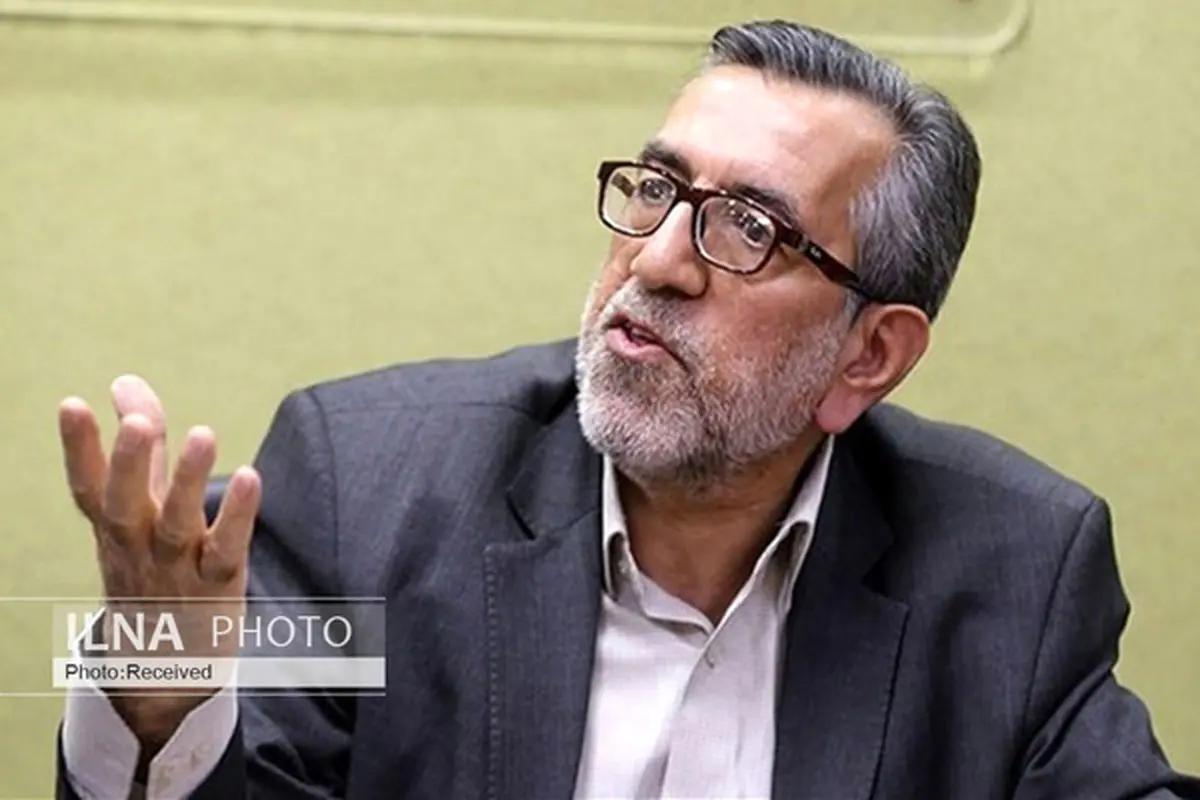
A former Iranian diplomat said any potential agreement between Tehran and Washington must begin with the release of Iran’s frozen assets, stressing that no further stage of negotiations would begin before that condition is met.
Reza Mirabian, former Iranian ambassador to Kuwait, said in an interview with ILNA that it was still too early to determine whether talks between Iran and the United States would lead to an agreement or whether tensions could escalate again.
He said internal disagreements within the United States were complicating the process, adding that although U.S. President Donald Trump had initially accepted a draft agreement, pressure from Republicans and pro-Israel lobbying groups later led to changes in Washington’s position.
Mirabian said Iran had made the release of frozen Iranian assets the main precondition for any agreement, arguing that Tehran does not trust U.S. commitments. He referred to Iranian funds transferred from South Korea to Qatar, saying the United States ultimately prevented the money from reaching Iran.
He added that Tehran had also insisted that nuclear issues be addressed only in a later phase of negotiations, during a proposed 60-day process, and not as part of an initial agreement.
According to Mirabian, Washington has again raised demands regarding Iran’s enriched nuclear material, including its transfer or destruction inside the country, proposals that Iran has rejected.
Commenting on the presence of Iranian Parliament Speaker Mohammad Bagher Ghalibaf and Foreign Minister Abbas Araghchi in Qatar, Mirabian said talks could move to further stages if frozen Iranian assets are released.
The former diplomat also said the possibility of renewed war remained low, arguing that neither side, particularly the United States, was seeking escalation following the lack of achievements from the recent 40-day conflict.
He cited concerns including rising fuel prices, U.S. domestic politics, the World Cup and the possible closure of the Strait of Hormuz as factors discouraging military confrontation.
Mirabian also downplayed criticism by hardliners inside Iran against the negotiating team, saying Iran’s decision-making process ultimately rests with the Supreme National Security Council and the country’s leadership.