
Legends of Korean War

Kim Jong Un, General Secretary of the Workers' Party of Korea and President of the State Affairs of the Democratic People's Republic of Korea, visited the Revolutionary Martyrs Cemetery on Mt Taesong on July 26 to mark the 73rd anniversary of the victory in the great Fatherland Liberation War.
On July 27, events marking the 73rd anniversary of the victory in the Fatherland Liberation War were held in Pyongyang, the capital of the Democratic People's Republic of Korea.
The Korean war (1950-1953) shattered the Legends of the “mightiness” of the US and created new myths of the DPRK.
Model of Modern Siege Warfare
US and ROK forces were forced into giving up Seoul in three days and retreating all the way in the face of the lightning counteroffensive of the KPA. They built a strong defence line in Taejon by deploying huge forces and war equipment with the US 24th Infantry Division, the so-called “invincible division”, as the main force. Yet, the division was so incapable of dealing with the tactical siege of the KPA.
The great leader Comrade Kim Il Sung found a key of the siege in an inconspicuous place southwest of the city. He ordered those units which had already advanced to as far as Ronsan in the southwestern part of the country to turn back to Taejon, and some forces to make a rapid detour southeastward so as to intercept the enemy’s retreat in favour of the siege. In line with his operational tactics, the KPA units put a siege on Taejon and launched a general offensive on July 20, 1950, liberating the city soon. The US 24th Infantry Division was destroyed and its commander Dean was captured by a KPA soldier while running for his life in a private’s uniform.
While attacking the defenders (US 24th Division) from the front bounding their freedom and forcing them to retreat, they (KPA) advanced to the rear of the defenders by means of detour or penetration movements and cut their retreat, a US war veteran wrote in his memoir, adding that it was a tactic that the American officers could not understand until it was too late.
Torpedo Boats Sink Heavy Cruiser
There took place an unusual naval battle between the DPRK and US warships in the East Sea of Korea off Jumunjin in early July 1950. A flotilla of four torpedo boats of the Korean People’s Army Navy paled in comparison with the opponent US fleet consisting mainly of a heavy cruiser, light cruiser and destroyer. To take an example, USS Baltimore was a heavy cruiser called a “moving island in the sea” with a displacement of 17 300t, 1 700-strong crew and 69 artillery pieces. The cost of building such a warship was equivalent to the total of the cost of building 13 000 torpedo boats.
This “armada” in a formation of the heavy cruiser, light cruiser and destroyer in order manoeuvred to lay siege to the Korean torpedo boats, which dashed through a barrage of fire towards the Baltimore. Hit by two torpedoes, the hull of the heavy cruiser slanted, and the third torpedo aimed at its waist was the last straw. After all, the Baltimore sank and the light cruiser was damaged. As an extraordinary miracle to be etched down in the world history of naval battles, this skirmish dwarfed the “most brilliant victory in the history of US naval battles” in October 1944 in Leyte Gulf, in which the US Navy sank a Japanese heavy cruiser by mobilizing aircraft carrier, destroyer and aircraft.
Reportedly, 560 US battleships and vessels were sunk and damaged during the three-year Korean war.
Broken “Air Supremacy”
Miracle occurred in the sky as well.
When the war broke out, the DPRK had a fledgling air force armed with propeller aircraft. But the Korean airmen fought with aerial warfare tactics instructed by Supreme Commander Kim Il Sung, shooting down lots of the latest US aircraft such as B-29 strategic bomber nicknamed “flying fortress”. It was the first time in the world history of air forces that propeller aircraft took on B-29 strategic bomber and F-80 jet fighter.
Aircraft hunting was also launched by ground forces.
KPA servicemen used firearms to shoot down enemy aircraft according to an order of Kim Il Sung to conduct an aircraft-hunting team movement.
In two years after the movement was launched, 3 000 enemy aircraft had been downed. This was unheard of in the world history of war.
According to information available, the aircraft-hunting teams and aircraft squadrons of the KPA shot down or damaged as many as 12 220 US aircraft throughout the Korean war.
US Weaponry Exhibited in Pyongyang
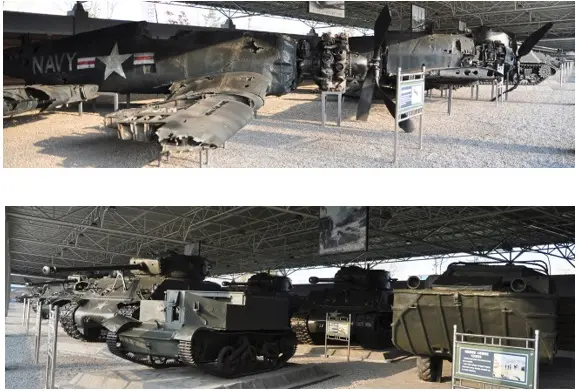
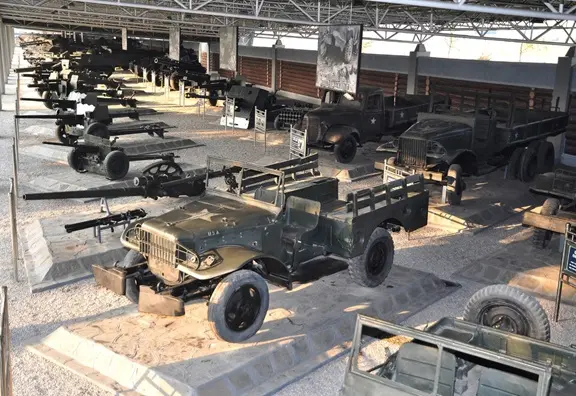
US-made military equipment captured by the Korean People’s Army during the Fatherland Liberation War (1950-1953) are put on display at the outdoor exhibition ground of captured weapons at the Victorious Fatherland Liberation War Museum in Pyongyang, the capital of the DPRK.
Minchong Howitzer
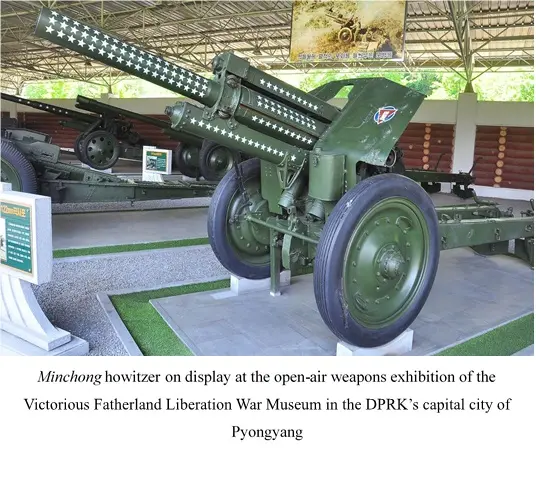
The above photo shows a howitzer of the Korean People’s Army awarded the title of Minchong (Korean abbreviation of the Democratic Youth League of Korea) during the Korean war (1950-1953). During the war, weapons awarded the title performed great feats in defeating the US invaders.
An Outmoded Plane Shoots Down Latest-type Planes
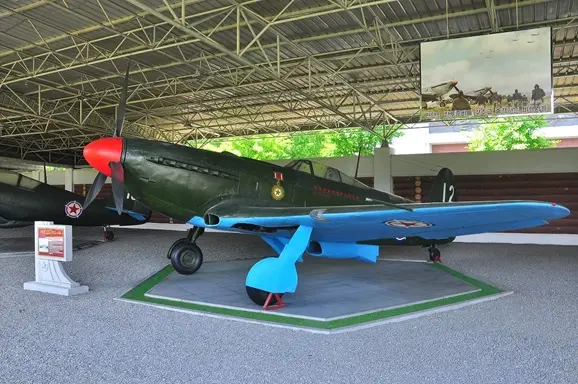
During the Korean war (1950-1953) an outmoded plane of the Air Force of the Korean People’s Army shot down 11 enemy planes of various kinds including a B-29 heavy bomber dubbed an “air fortress,” and F-80 jet fighter of the US Air Force and damaged 4 others.
The plane is on display at the open-air weapons exhibition of the Victorious Fatherland Liberation War Museum in the DPRK’s capital city of Pyongyang.
Sculptures of Victors (1)
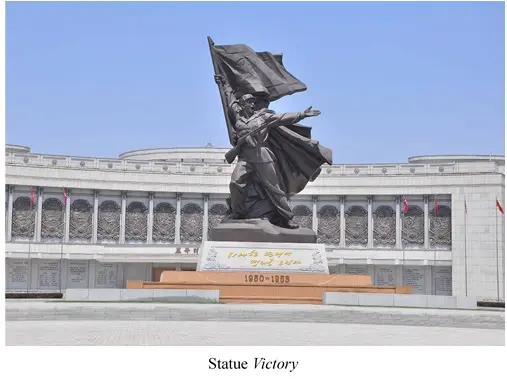
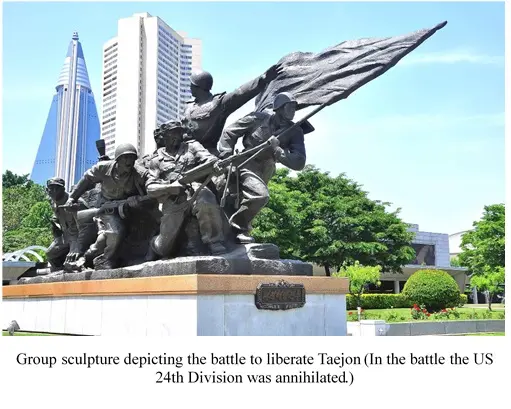
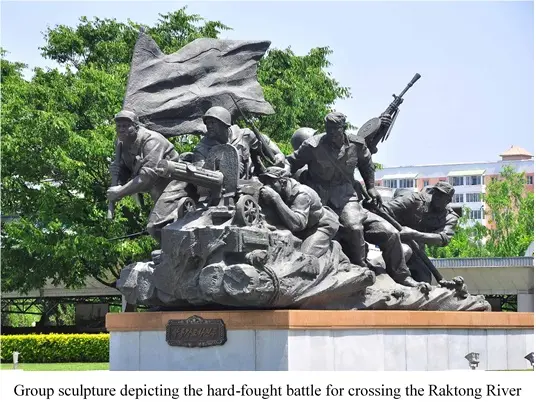
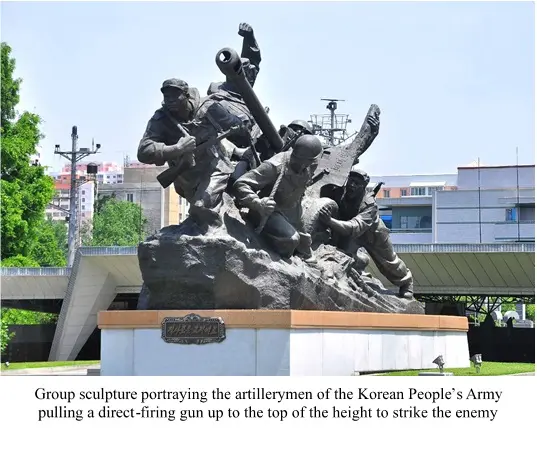
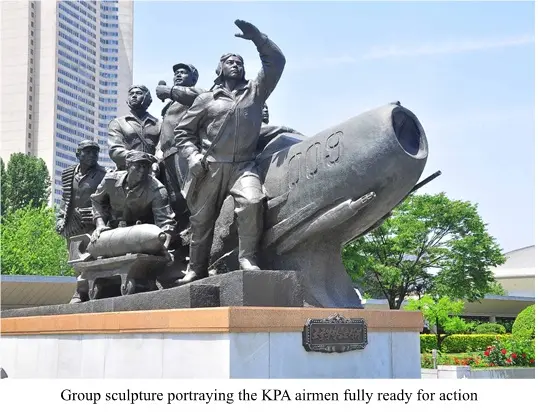
The group sculptures at the Victorious Fatherland Liberation War Museum in the DPRK’s capital city of Pyongyang vividly show the heroism the Korean people demonstrated in the struggle to defend freedom and independence of their country.
Fatherland Liberation War Martyrs Cemetery
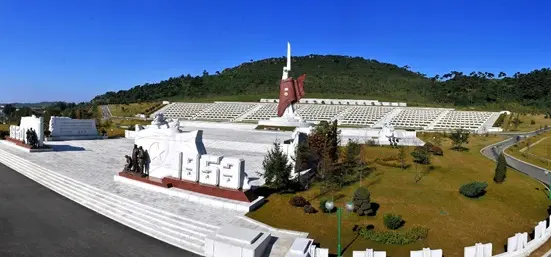
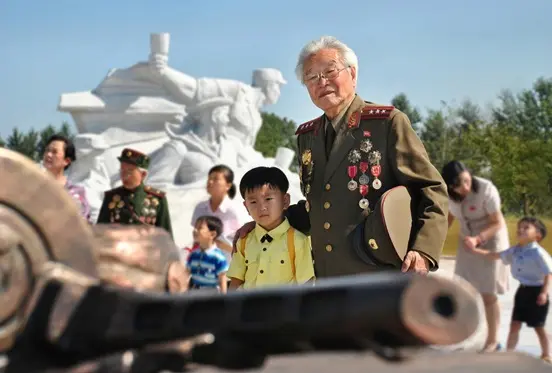
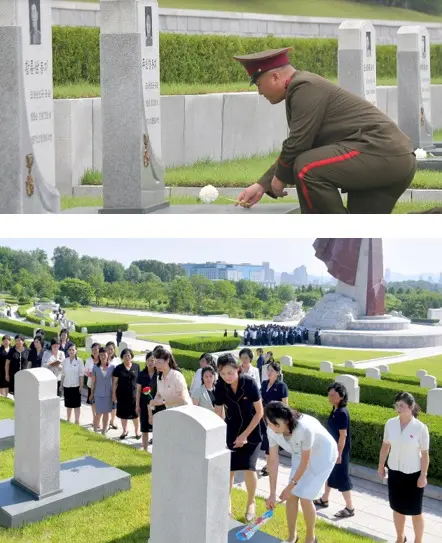
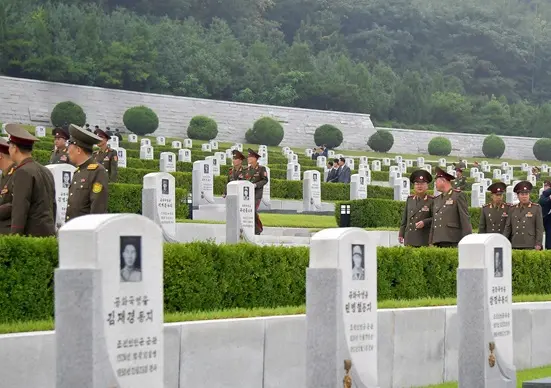
Korean people from all walks of life pay tribute to war heroes at the Fatherland Liberation War Martyrs Cemetery in Pyongyang, the capital city of the DPRK. They honour the martyrs for their heroic sacrificing spirit during the Korean war (1950-1953).