
Sayyari: Strait of Hormuz Is Closed and All Transit Must Be Coordinated
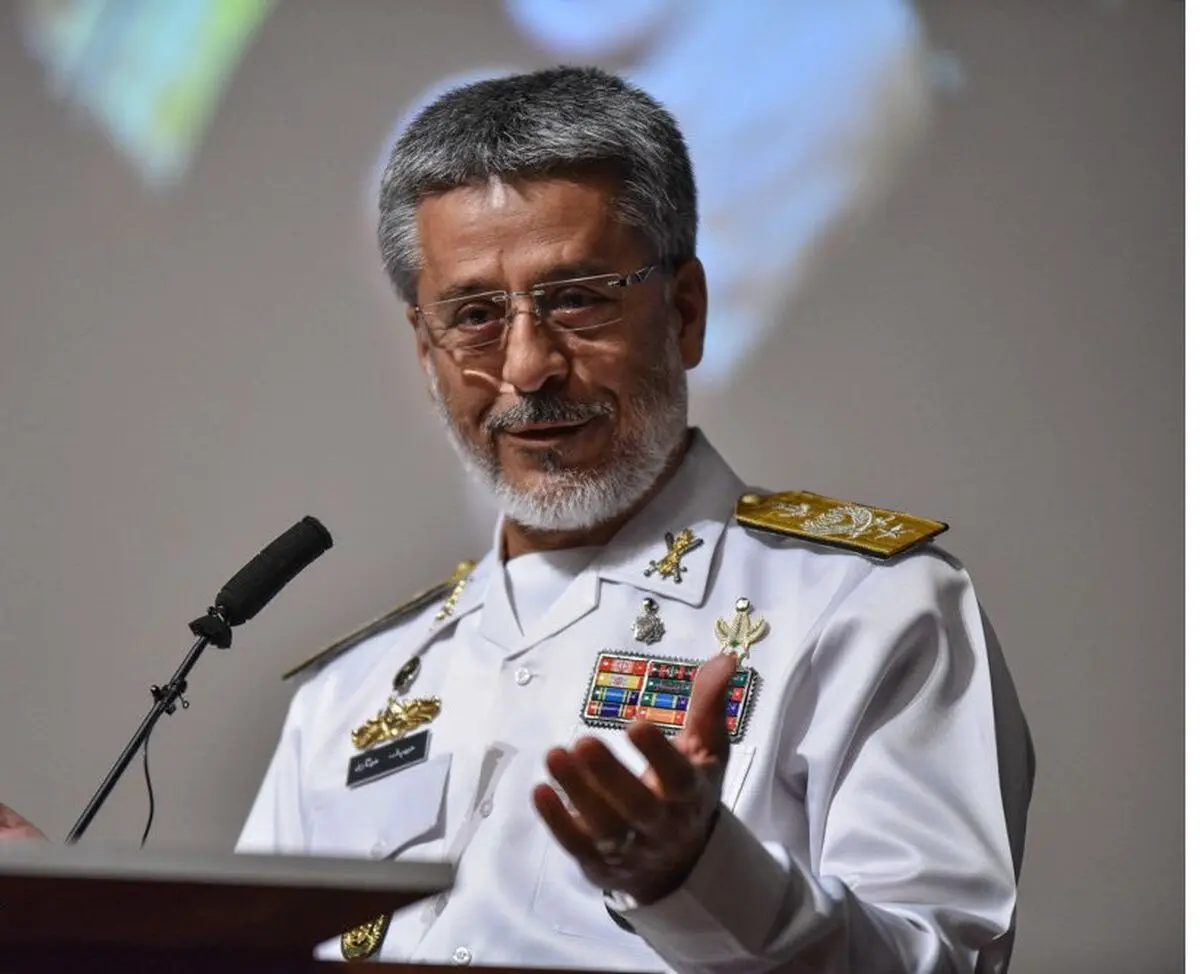
Iranian Army Chief of Staff and Deputy Coordinator Rear Admiral Habibollah Sayyari said the Strait of Hormuz remains closed and any transit through the strategic waterway must be coordinated, pointing to rising gasoline prices in the United States as evidence of the closure.
Speaking to reporters on Thursday, October 15, on the sidelines of a ceremony honoring Army nurses, Sayyari said the situation in the Strait of Hormuz was clear and unambiguous.
“The Strait of Hormuz is closed. If it were open and oil were passing through it, gasoline prices in the United States would not have increased,” he said, according to the Iranian Army’s Public Relations Office, as reported by ILNA.
Describing the presence of Iran’s armed forces in the region, Sayyari said the Islamic Revolutionary Guard Corps (IRGC) Navy maintained a firm presence west of the Strait of Hormuz, while the Iranian Army was deployed east of the strait and as far north as the Sea of Oman.
He said the Iranian Army was maintaining a strong presence in the area and exercising full control and surveillance over the region.
Sayyari stressed that any transit through the strait must take place in coordination with the relevant authorities.
“If any transit takes place, it must be coordinated. Otherwise, you will see in the news what happens,” he said.
The Army’s deputy coordinator reiterated that the situation demonstrated the Strait of Hormuz was closed, arguing that if the waterway were open, oil would be passing through it and gasoline prices in those countries would not be rising.
He added that as long as those countries continued seeking to secure supplies of gasoline and diesel, this indicated that the Strait of Hormuz remained closed, describing the situation as clear evidence of its status.