
US-Israeli War on Iran: A Strategic Miscalculation, Says Retired University of Chicago Professor
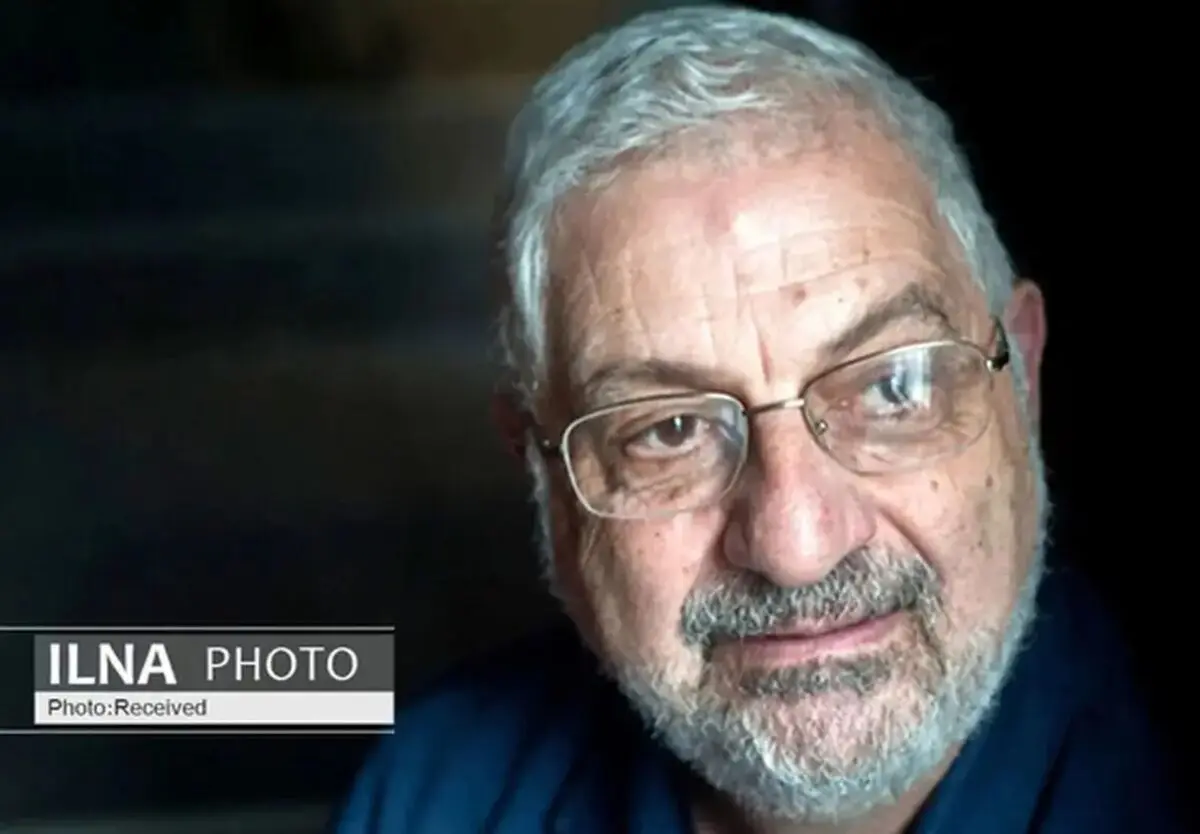
Ronald Suny, a retired professor of Political Science and History at the University of Chicago, has called the US-Israeli war against Iran and Lebanon an illegitimate war of choice, warning that it has undermined regional security and prospects for a political settlement.
Ronald Suny, Professor of Political Science and History at the University of Chicago, says the war launched by Israel and the United States against Iran and Lebanon is illegitimate under international law, arguing that the bombing of civilians and infrastructure constitutes war crimes. He describes the conflict as a war of choice rather than necessity, rooted in Israeli Prime Minister Benjamin Netanyahu’s ambition to eliminate the Palestinian question and achieve permanent security through military force. Suny also points to growing American opposition to the war, the risks posed by Donald Trump’s policies, and the need for political solutions to end the conflict.
War of Choice and War Crimes
“The launching of the war against Iran and Lebanon by Israel and the United States is to be condemned as illegitimate by any international law standards, but even more than that, the bombing of civilians and infrastructure constitute war crimes,” Suny said.
“The war, as many commentators have pointed out, is a war of choice, not of necessity. It began while the US was negotiating with Iran. Its aims are not clear, but in my view they are more in the interest of Israel than in those of the United States,” he added.
According to Suny, Israel’s current right-wing government is seeking to achieve its objectives through extraordinarily brutal military force, despite the impossibility of its ambitions.
Netanyahu’s Ambitions and a Grave Miscalculation
Suny attributed the war primarily to Israeli Prime Minister Benjamin Netanyahu and his supporters’ ambition to eliminate the Palestinian question once and for all and achieve the unattainable goal of permanent security for Israel.
He argued that Netanyahu persuaded US President Donald Trump that the two governments could overwhelm Iran, change its government and eliminate what they perceive as a nuclear threat from Tehran.
“This was a terrible miscalculation, foolish and based on colossal misunderstandings,” Suny said.
Growing Opposition to the War in the United States
Suny pointed to growing opposition to the war within the United States, saying two-thirds of Americans oppose it across the political spectrum, including the center, left and right.
He described this as extraordinary, contrasting it with public support for previous US military interventions, including the invasions of Iraq and Afghanistan.
“Americans are wising up. So far, this is the only palpable positive effect of this war,” he said.
Suny also criticized Trump’s conduct, saying the US president was “slowly degenerating from his former degenerate self” and acting erratically, as observed by his European allies and domestic opponents.
Destruction Is Taking the Region Further from a Solution
Suny warned that Trump's policies have increased global dangers, prompting politicians and diplomats to seek ways to end the war. However, he argued that the Israeli government has no interest in ending the conflict until it destroys all its perceived enemies, including Hamas, Hezbollah, the Houthis and Iran.
He described this objective as a dead-end ambition, arguing that Israel’s only real solution is to negotiate with the Palestinians and establish liveable conditions and some form of state in the West Bank, Gaza and East Jerusalem.
Instead, he said, Israel’s current policies, which are based on destruction, are moving the region further away from a settlement.
Suny added that Trump currently wants to end the war because of its negative effects on the stock market and inflation. However, he noted that the US president appears unwilling to make concessions to Iran, suggesting that the conflict could continue for some time.
“Every bomb dropped makes it less likely that a solution will be found,” Suny said. “People are dying because the leaders who started this unnecessary war are attempting to do the impossible.”
Possible Political Consequences of the War
Despite his doubts, Suny said the war could have other positive consequences. He suggested that Americans might turn against Trump and elect less volatile and more sensible leaders in the next elections.
He also raised the possibility that Iran’s new rulers might recognize the fragility and unpopularity of their political system, which, he argued, increasingly relies on coercion to remain in power.
Suny said Iranian leaders might be willing to make compromises to end the war, while maintaining that Iran should not disarm or leave itself vulnerable to further attacks like those it has suffered over the past three years.
He further expressed hope that forward-looking leaders in Tehran might seek to liberalize or democratize Iran’s power structure.
“This seems a near impossibility, but I am still hopeful that good sense will prevail,” he said.
Finally, Suny suggested that Israelis who currently support the war might eventually recognize that their government’s policies are producing the opposite of their intended outcome.
Rather than achieving permanent security, he argued, these policies are leading Israel toward permanent insecurity and continued reliance on warfare against the rest of the Middle East.