
Analyst Sees Iran-U.S. ‘Neither War Nor Peace’ Standoff Persisting Through World Cup
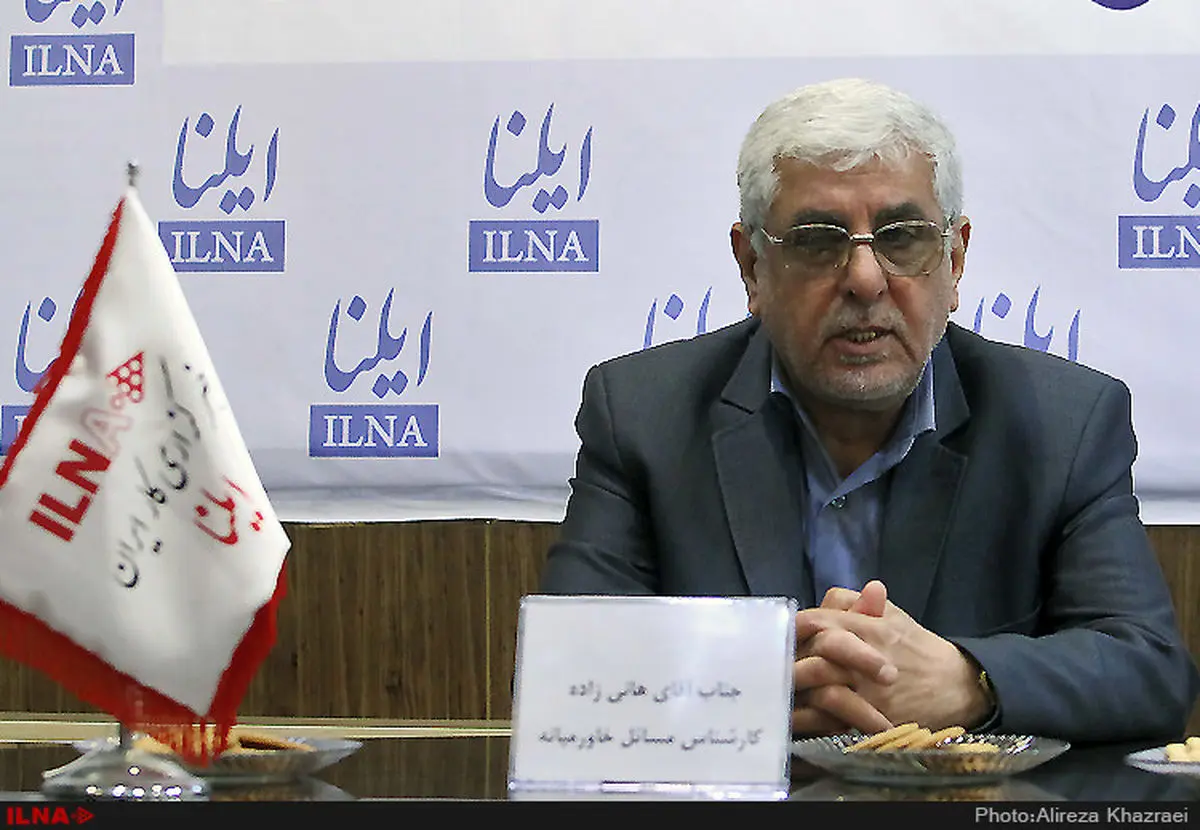
An Iranian political analyst said the current state of “neither war nor peace” between Tehran and Washington is likely to continue through the FIFA World Cup period, arguing that the United States is seeking regional stability for the event while potentially preparing new measures against Iran in the months ahead.
The current impasse between Iran and the United States is likely to persist at least through the upcoming FIFA World Cup, according to Iranian international affairs analyst Hassan Hanizadeh, who said Washington appears interested in maintaining regional calm while postponing more consequential decisions.
Speaking to ILNA, Hanizadeh pointed to contradictions in the statements and conduct of U.S. President Donald Trump and his administration, arguing that conflicting signals have complicated assessments of the prospects for a broader agreement between Tehran and Washington.
He added that reports had suggested Iran and the United States reached a preliminary understanding in Qatar aimed at ending the prolonged state of “neither war nor peace,” although he argued that subsequent developments have raised doubts about Washington’s commitment to key aspects of any potential arrangement.
Hanizadeh said discussions had reportedly included issues such as the release of Iranian assets frozen abroad, sanctions relief, oil exports, navigation in the Strait of Hormuz, and the future course of negotiations on Iran’s nuclear program.
According to the analyst, recent statements by Trump indicate that significant differences remain between the two sides, particularly regarding sanctions, frozen Iranian funds, and nuclear-related issues.
“Conditions remain highly complex, and recent developments suggest that the United States continues to pursue maximalist demands,” he said.
Hanizadeh argued that Tehran would be unlikely to accept any agreement that does not include the release of frozen assets and the lifting of sanctions, adding that Iran would insist on safeguarding its own interests and conditions in any future negotiations.
Addressing U.S. relations with regional allies, the analyst stressed that recent reports concerning pressure on Gulf states have reinforced perceptions that Washington is not viewed as a fully reliable partner by some countries in the region.
He further argued that the United States often relies on pressure tactics and coercive measures to advance its objectives, a policy he said has generated concerns among some of its traditional allies.
Looking ahead, Hanizadeh suggested that the Trump administration is primarily focused on preserving stability during the World Cup period and managing global energy markets.
“Forecasts suggest that the current state of neither war nor peace will continue through the World Cup,” he said. “At times, Trump seeks to project a calming message in order to manage global oil prices and market sentiment.”
However, he warned that Washington could pursue new policies toward Iran after the tournament, describing the current period as one of strategic delay rather than a lasting resolution of tensions.
Commenting on Israel’s role, Hanizadeh argued that the Israeli leadership favors continued pressure on Iran and seeks to prevent a durable easing of regional tensions. He added that Israeli officials and pro-Israel lobbying groups play a significant role in shaping hardline policies toward Tehran.
The analyst said ongoing regional developments, including military actions in neighboring countries, should be viewed within the broader context of efforts to increase pressure on Iran and its allies.