
Afghan leader seeks to sideline powerful bloc in break with past
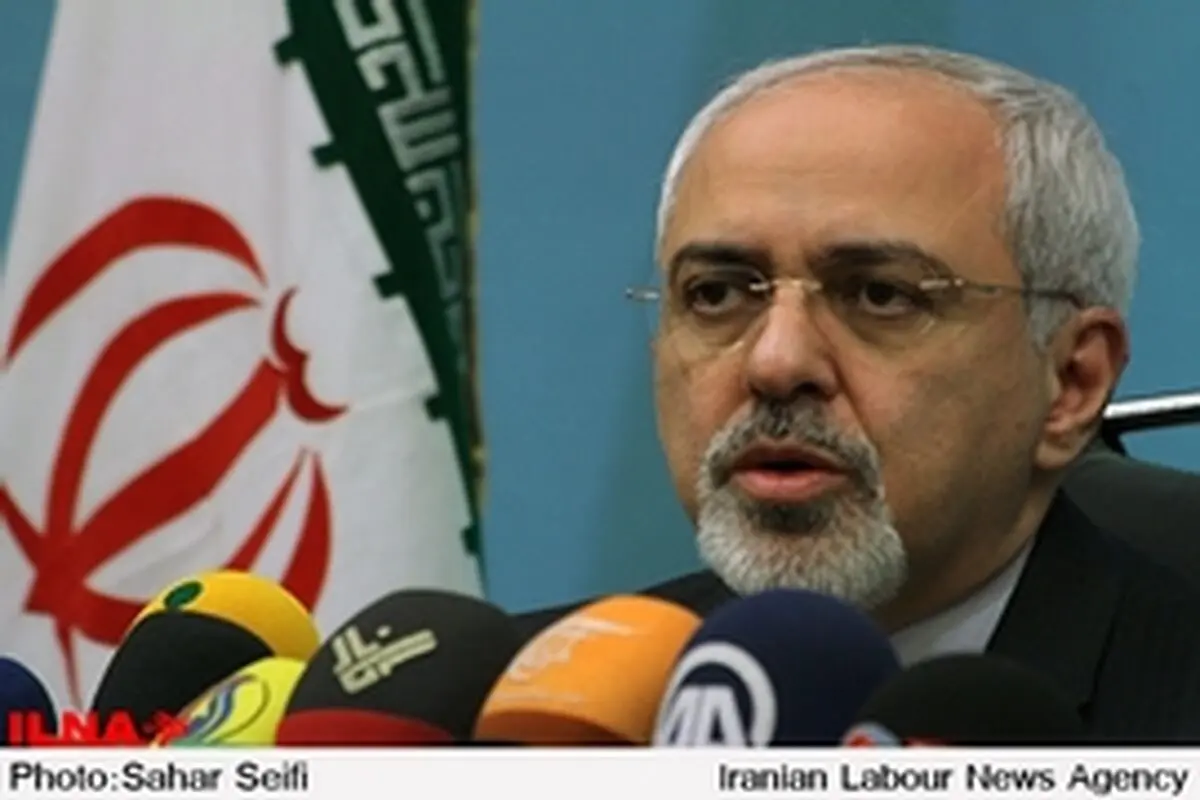
ILNA: The Afghan cabinet, finalised this week after months of haggling, leaves a powerful faction that helped oust the Taliban in 2001 significantly weakened, in a bold but risky break from the past by President Ashraf Ghani.
Known as " mujahideen " because many also fought the Soviets in the ۱۹۸۰s, the group is angry at being overlooked for key security posts and is threatening to block nominees when they are presented to parliament in the coming days.
The outcome of that process is difficult to predict, but Ghani, faced with the daunting task of dragging Afghanistan out of war and poverty, appeared to believe his predecessor Hamid Karzai had been held back by factional rivalries.
" President Ghani didn’t want to repeat past mistakes during Karzai’s time, " said a close aide to the leader, who, like his top security choices, is from the country’s largest ethnic group, the Pashtuns.
" He wants to give a message to the international community and his people that the cabinet will be a different one, " added the aide, who spoke on condition of anonymity.
The main loser is the ethnic Tajik wing of the former Northern Alliance, a group of fighters mainly from the north of the country who have long been criticized for carving out local fiefdoms and putting personal above national interests.
Afghanistan is listed as the world’s fourth most corrupt nation by the watchdog group Transparency International, although accusations of graft have been leveled at officials across the ethnic and political spectrum.
Even under Karzai, a Pashtun, former Alliance members, particularly from the smaller ethnic Tajik community from the province of Panjshir, enjoyed sweeping powers.
ABDULLAH CALLED A " TRAITOR "
The ex - mujahideen’s exclusion has prompted criticism of Abdullah Abdullah, Ghani’s election rival - turned - government partner who draws his support mainly from the north.
He was branded a " traitor " on social media after the cabinet was unveiled on Monday.
During last year’s bitterly contested election, Ghani and Abdullah, who is a Tajik, both promoted themselves as candidates who aimed to put aside ethnic - based patronage.
But the outcry over the nominations shows it will not be easy to break with Afghanistan’s recent past.
" Right now, ۸۰ percent of influential and powerful people around the country are former mujahideen commanders, and they don’t want to give up their power, " said Farhad Sediqi, a parliamentarian from the north.
Hazrat Ali, a former mujahideen and now lawmaker, said there was a risk that parliament could scupper the lengthy nomination process that has paralyzed parts of Afghan government.
" The parliament is dominated by mujahideen figures, and I don’t think they will vote for many of these nominees, " he said.
Each nominee needs a simple majority, and parliament is expected to decide on the appointments as early as Jan. ۲۴.