
New Saudi king seeks to reassure on succession and policy
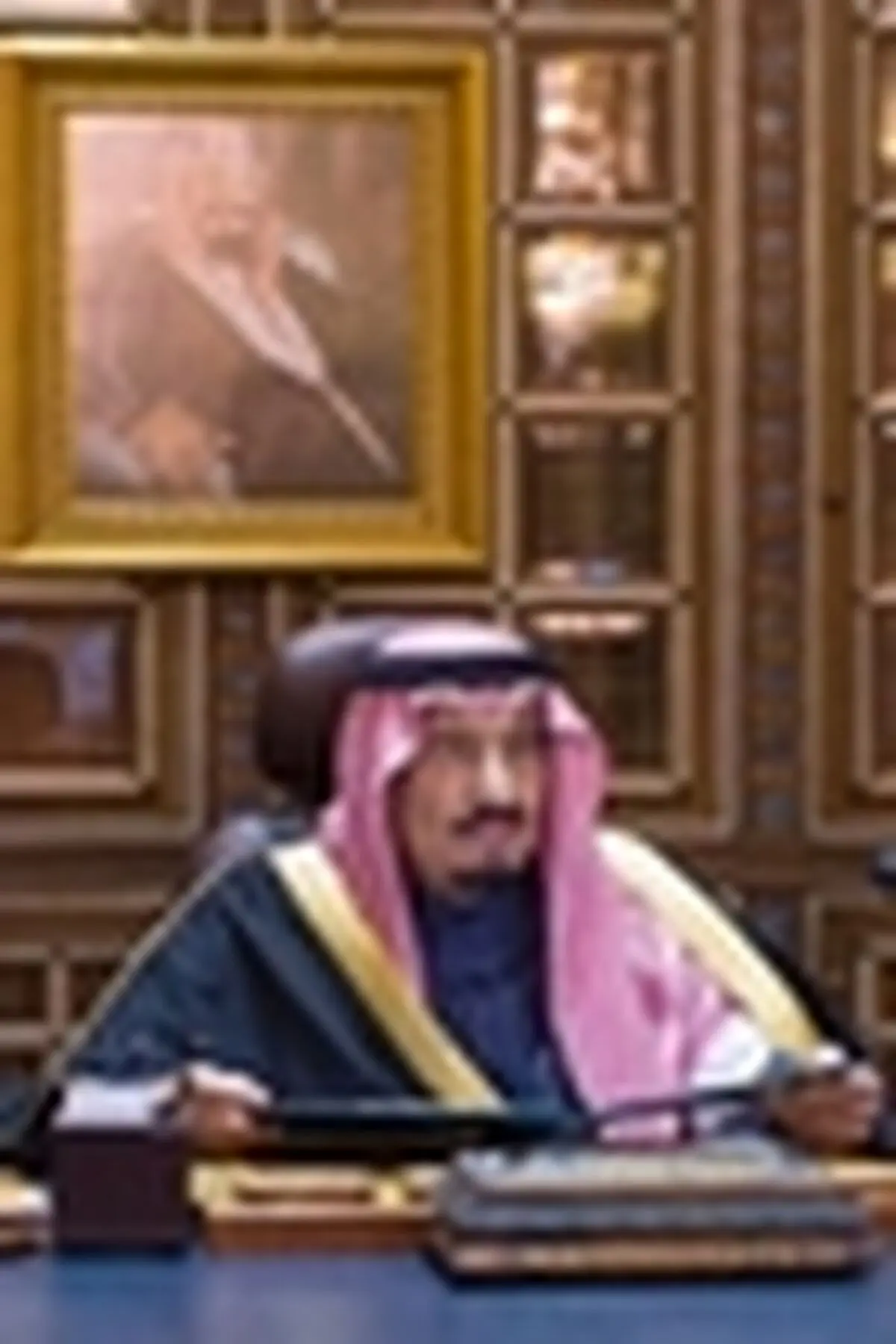
ILNA: Saudi Arabia’s new King Salman pledged continuity in energy and foreign policies on Friday and moved quickly to appoint younger men as his heirs, settling the succession for years to come by naming a deputy crown prince from his dynasty’s next generation.
King Abdullah, who died early on Friday after a short illness, was buried in an unmarked grave in keeping with local religious traditions.
By appointing his youngest half - brother Muqrin, ۶۹, as Crown Prince and nephew Mohammed bin Nayef, ۵۵, as Deputy Crown Prince, Salman has swiftly quelled speculation about internal palace rifts at a moment of regional turmoil.
Salman, thought to be ۷۹, takes over as the ultimate authority in a country that faces long - term domestic challenges compounded by the plunging price of oil in recent months and the rise of the Islamic State militant group in Iraq and Syria, which vows to toppled the Al Saud ruling family.
In his first speech as king, shown live on Saudi television, Salman pledged to maintain the same approach to ruling the world’s top oil exporter and birthplace of Islam as his predecessors and called for unity among Arab states.
" We will continue, God willing, to hold the straight course that this country has followed since its establishment by the late King Abdulaziz, " he said.
Salman becomes the last Saudi ruler to be born before the discovery of commercial quantities of oil in the world’s top crude exporter.
And Mohammed bin Nayef becomes the first grandson of the kingdom’s founding monarch, King Abdulaziz, known as Ibn Saud, to take an established place in the line of succession.
All Saudi kings since Abdulaziz’s death in ۱۹۵۳ have been his sons and the need to move to the next generation had earlier raised the prospect of a palace power struggle. King Salman also appointed his own son, Mohammed bin Salman, Defense Minister and head of the royal court.
The rapidity of the decisions startled Saudis, used to a delay of up to several months before top appointments following the deaths of their monarchs. The choice of Mohammed bin Nayef was seen by some as a reflection of his strong record in counter - terrorism in his role as interior minister.
" Times are dangerous, " said Joseph Kechichian, a scholar of Gulf Arab ruling families. " Mohammed bin Nayef’s appointment shows Salman feels it’s important to speak quickly with a single determined voice in the face of all these threats. "
U. S. President Barack Obama, moving to cement Washington’s long alliance with Saudi Arabia, was expected to speak to Salman in the coming days.
Reputedly pragmatic and adept at managing the delicate balance of clerical, tribal, royal and Western interests that factor into Saudi policy making, Salman appears unlikely to change the kingdom’s approach to foreign affairs or energy sales.
Despite rumors about Salman’s health and strength, diplomats who have attended meetings between the new king and foreign leaders over the past year have said he has been fully engaged in talks lasting several hours at a time.