
US Uses Misinformation to Mask Oil Shock from War on Iran
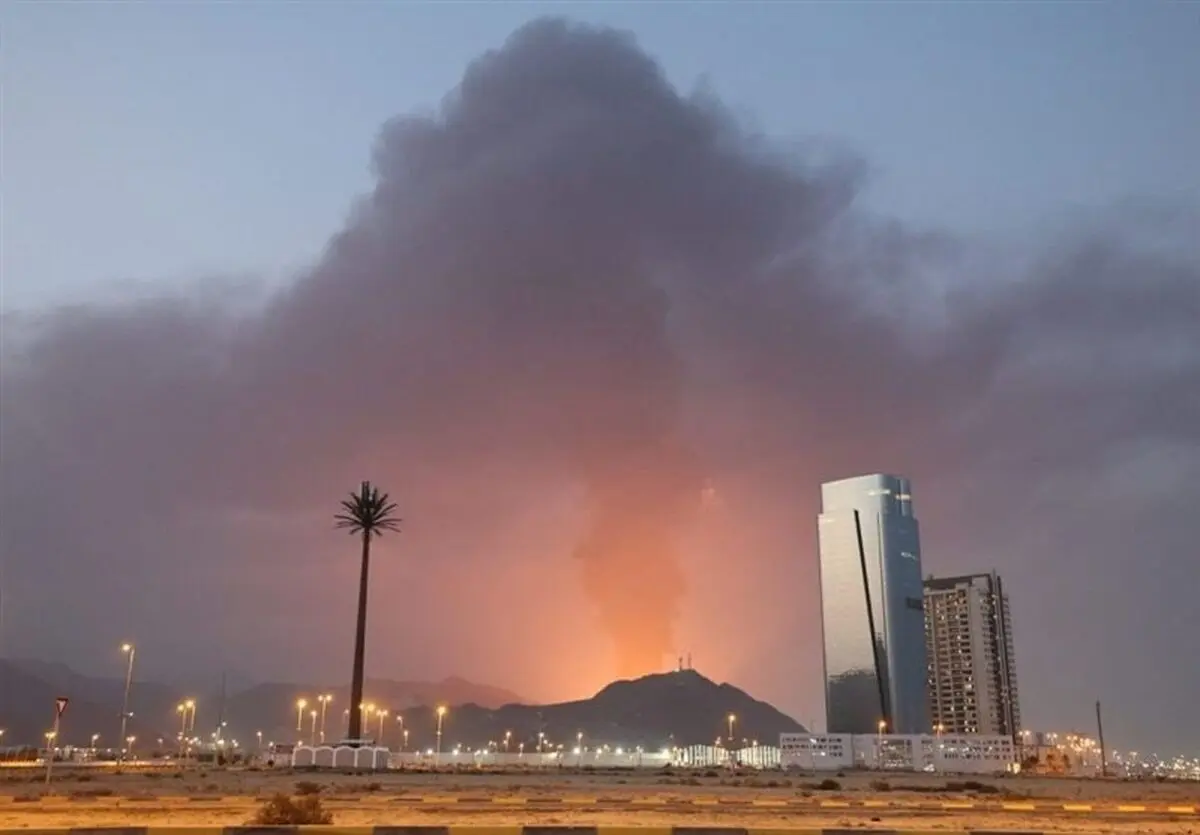
As the US-Israeli war on Iran enters its second week, the Trump administration is increasingly relying on false statements and deleted social media posts to manipulate global oil markets and ease domestic pressure.
The pattern is clear: whenever oil prices spike due to the war’s disruption of the Persian Gulf’s energy flows, US officials—including President Donald Trump and Energy Secretary Chris Wright—issue unsubstantiated claims, only to retract or contradict them hours later. The result? Temporary market relief, a brief rally in European stock indices like the FTSE 100, and a growing credibility crisis for Washington.
The Deleted Tweet That Moved Markets
On Tuesday, Energy Secretary Chris Wright posted—and then swiftly deleted—a claim that the US Navy had escorted an oil tanker through the Strait of Hormuz. The post, made at 1:02 PM US Eastern Time, sent oil prices tumbling and triggered a 1.6% rally in London’s FTSE 100, as traders bet on a return to normalcy in the world’s most critical oil chokepoint.
But the White House quickly walked back the statement. Press Secretary Karoline Leavitt admitted, “The US Navy has not escorted a tanker or a vessel at this time,” exposing the post as baseless. Iranian Parliament Speaker Mohammad Baqer Qalibaf mocked the claim, asking, “An oil tanker crossed the Strait of Hormuz escorted by US Navy ships? Maybe on PlayStation!”
The episode was not an isolated incident. It followed a now-familiar script: US officials make bold, unsupported assertions about the war’s progress or oil security, markets react positively, and the claims are later debunked or retracted.