

اطلاعیه شماره ۴۵ قوه قضاییه در مورد جنگ تحمیلی سوم؛
ستاد حقوق بشر: حمله به فرودگاههای حیاتی ایران نقض حقوق بشر، حقوق بینالملل بشردوستانه، منشور ملل متحد و حقوق هوایی بینالمللی است
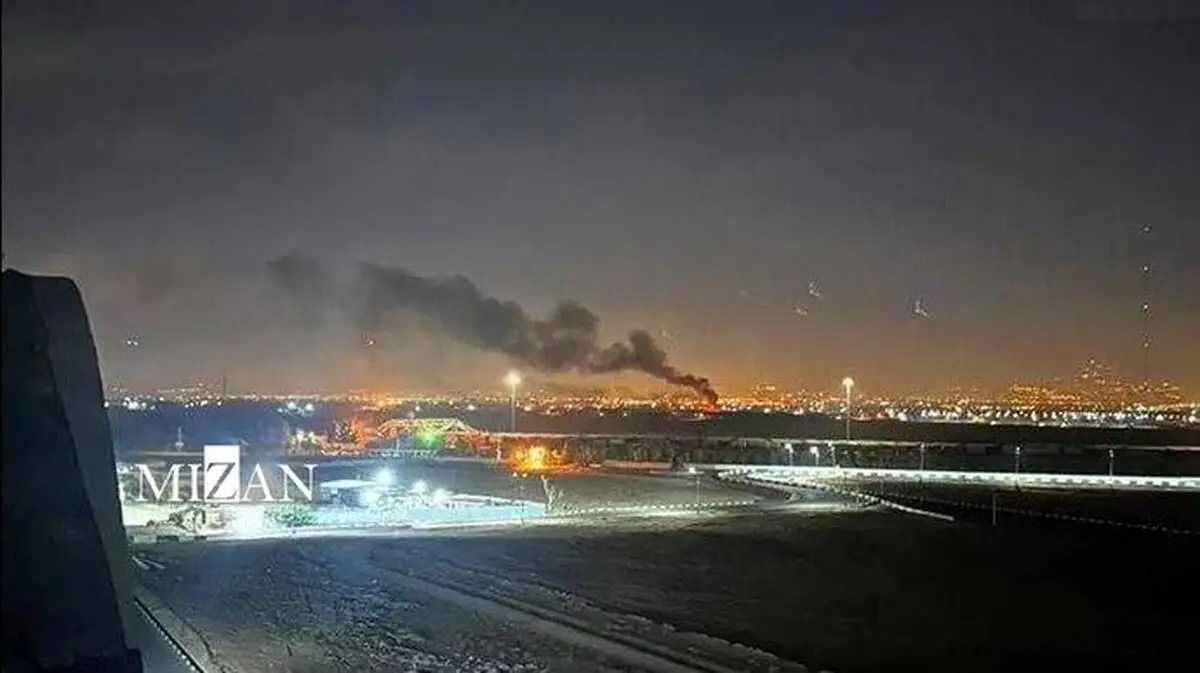
ستاد حقوق بشر حملههای تجاوزکارانه رژیم صهیونیستی و آمریکا به فرودگاههای حیاتی کشور، ازجمله فرودگاههای بینالمللی اهواز، مشهد، اصفهان، تهران و همچنین دیگر فرودگاههای کشور را محکوم کرد.
متن این بیانیه به شرح زیر است:
باسمه تعالی
ستاد حقوق بشر جمهوری اسلامی ایران، حملات تجاوزکارانه و سبعانه رژیم صهیونیستی و آمریکا به فرودگاههای حیاتی کشور، ازجمله فرودگاههای بینالمللی اهواز، مشهد، اصفهان، تهران و همچنین سایر فرودگاههای کشور را که منجر به بروز تلفات جانی، خسارات مادی گسترده، اختلالات عملیاتی و پیامدهای ناگوار انسانی و اقتصادی گردیده است، به شدیدترین وجه ممکن محکوم مینماید.
این اقدامات تجاوزکارانه که با هدف ضربه زدن به زیرساختهای اساسی غیرنظامی و در راستای اهداف خصمانه صورت میپذیرد، نقض صریح و فاحش موازین بنیادین حقوق بشر، حقوق بینالملل بشردوستانه، منشور ملل متحد و همچنین حقوق هوایی بینالمللی محسوب میشود؛ حملات هدفمند به فرودگاههای غیرنظامی، با توجه به ماهیت کاربری آنها و نقش حیاتیشان در تأمین منافع عمومی، اصول بنیادین زیر را در حقوق بینالملل نقض میکند:
در حوزه حقوق بینالملل بشردوستانه، این حملات مصداق بارز نقض اصل تفکیک (تمایز میان اهداف نظامی و غیرنظامی) است، چراکه فرودگاهها و بخشهای گستردهای از آنها نظیر پایانههای مسافربری، برجهای کنترل ترافیک هوایی، باندهای پروازی و تأسیسات پشتیبانی، ماهیّت کاملا غیرنظامی دارند.
همچنین، اصل احتیاط که طرفهای مخاصمه را به اتخاذ کلیه تدابیر ممکن برای اجتناب یا به حداقل رساندن تلفات جانی غیرنظامیان و خسارات وارده به اموال غیرنظامی ملزم میسازد، به وضوح نقض شده است؛ در بسیاری از موارد، حتی اگر این حملات با ادعای هدف نظامی صورت گرفته باشد، اصل تناسب که حمله به یک هدف نظامی را تنها در صورتی مجاز میدارد که خسارات جانبی یا خسارات وارده به غیرنظامیان، بیش از شدت و مزیت نظامی مورد انتظار نباشد، رعایت نشده است.
علاوه بر این، حقوق بشردوستانه، زیرساختهای ضروری برای بقای جمعیت غیرنظامی، ازجمله سیستمهای حملونقل را مورد حمایت ویژه قرار میدهد و آسیب رساندن به آنها که مستقیما بر حقوق اساسی غیرنظامیان، ازجمله حق حیات، حق برخورداری از خدمات درمانی و بهداشتی و حق رفاه تأثیر میگذارد، ممنوع است.
در حوزه حقوق بشر، حمله مستقیم به غیرنظامیان حاضر در فرودگاهها یا ایجاد شرایطی که منجر به مرگ آنها شود، نقض آشکار حق حیات (مطابق با اعلامیه جهانی حقوق بشر و میثاق بینالمللی حقوق مدنی و سیاسی) است؛ غیرنظامیان در فرودگاهها از حق برخورداری از امنیّت شخصی برخوردارند که حملات هوایی این حق بنیادین را مخدوش میسازد.
همچنین، اختلال گسترده در پروازها و خدمات فرودگاهی، مانع از دسترسی افراد به خدمات حیاتی نظیر سفر برای درمان، پیوستن به خانواده، یا انجام امور ضروری میشود که این امر خود نقض حقوق اساسی محسوب میگردد، خسارات وارده به داراییهای شخصی یا اموال غیرنظامی در فرودگاه نیز، نقض صریح حق برخورداری از اموال است.
در حوزه حقوق هوایی بینالمللی، کنوانسیونهای بینالمللی ازجمله کنوانسیون شیکاگو (۱۹۴۴)، کنوانسیون توکیو (۱۹۶۳)، کنوانسیون لاهه (۱۹۷۰) و کنوانسیون مونترال (۱۹۷۱)، حفاظت از هواپیماهای غیرنظامی و تضمین ایمنی هوانوردی را الزامی دانستهاند؛ حمله به هواپیماهای مسافربری یا باری، چه در حال پرواز و چه در حال پارک در فرودگاه، نقض صریح این معاهدات بینالمللی است.
فرودگاهها بهعنوان تأسیسات حیاتی برای حملونقل هوایی غیرنظامی، طبق حقوق هوایی بینالمللی، باید از حملات مستقیم محافظت شوند، مگر آن که بهوضوح و مطابق با موازین حقوق بشردوستانه به اهداف نظامی تبدیل شده باشند؛ علاوه بر این، اختلال در پروازهای غیرنظامی و ایجاد محدودیت در حریم هوایی، حقوق کشورها و مسافران را برای استفاده صلحآمیز از حریم هوایی و دسترسی به پروازهای بینالمللی نقض میکند.
اظهارات و پیامهای توهینآمیز و وقیحانه مقامات آمریکایی، بهویژه رئیسجمهور این کشور و مقامات رژیم صهیونیستی، مبنی بر هدف قرار دادن عامدانه مردم عادی و تخریب گسترده زیرساختهای توسعهای کشور، بیانگر اراده و تصمیم صریح این متجاوزان برای وارد آوردن خسارات سنگین و پایدار به ملّت ایران است.
ستاد حقوق بشر جمهوری اسلامی ایران، ضمن تاکید بر مسوؤلیت مستقیم و مسلّم آمریکا و رژیم صهیونیستی در قبال این جنایت جنگی و نقض فاحش حقوق بشر و حقوق هوایی، خواستار اقدام فوری، قاطع و موثر جامعه جهانی، نهادهای حقوق بشری و سازمان ملل متحد برای محکومیت این حملات، شناسایی آنها به عنوان جنایت جنگی و نقض آشکار حقوق بینالملل و اتخاذ تدابیر لازم و بازدارنده برای جلوگیری از تکرار چنین اقدامات ضد انسانی در آینده میباشد.
سکوت و بیعملی در قبال اینگونه تجاوزات آشکار به موازین حقوق بینالملل، چیزی جز همدستی با متجاوزان و تضعیف ارکان عدالت بینالمللی نخواهد بود.
جمهوری اسلامی ایران، ضمن محفوظ دانستن حق قانونی و مسلم خود در دفاع مشروع طبق منشور ملل متحد، برای حفظ تمامیت ارضی و امنیت ملی، پایدار خود، از دولتها و نهادهای بینالمللی انتظار دارد تا به وظایف خطیر خود در ایستادگی قاطع در مقابل این اقدامات غیرقانونی و ضد انسانی عمل کنند.
متن انگلیسی این بیانیه به شرح زیر لست؛
Statement by the High Council for Human Rights of the Islamic Republic of Iran Condemning the "Aggressive Attacks by the Zionist Regime and the United States against the Airports of the Country"
The High Council for Human Rights of the Islamic Republic of Iran in the strongest possible terms condemns the aggressive and brutal attacks by the Zionist Regime and the United States on the country's vital airports, including the international airports of Ahvaz, Mashhad, Isfahan, Tehran, as well as other airports across the country, which have resulted in loss of life, extensive material damage, operational disruptions, and severe human and economic consequences. These aggressive acts, carried out with the aim of striking essential civilian infrastructure and in line with hostile objectives, constitute a clear and flagrant violation of fundamental principles of human rights, international humanitarian law, the Charter of the United Nations, and international law air.
Targeted attacks on civilian airports, considering their nature and their vital role in serving public interests, violate the following fundamental principles of international law:
In the realm of international humanitarian law, these attacks are a clear example of violating the Principle of Distinction (differentiating between military and civilian targets); as airports and extensive sections thereof, such as passenger terminals, air traffic control towers, runways, and support facilities, are entirely civilian in nature. Furthermore, the Principle of Precaution, which obliges parties to a conflict to take all feasible measures to avoid or minimize civilian casualties and damage to civilian property, has been clearly violated. In many instances, even if the attacks were claimed to target military objectives, the Principle of Proportionality, which permits an attack on a military objective only when the incidental loss of civilian life, injury to civilians, or damage to civilian objects is not excessive in relation to the concrete and direct military advantage anticipated, has not been observed. Additionally, humanitarian law affords special protection to infrastructur indispensable to the survival of the civilian population, including transportation systems, and damaging them, which directly impacts the fundamental rights of civilians, including the right to life, the right to health and medical services, and the right to well-being, is prohibited.
In the field of human rights, an attack directly targeting civilians at airports or creating conditions that result in their death constitutes a clear violation of the right to life (in accordance with the Universal Declaration of Human Rights and the International Covenant on Civil and Political Rights). Civilians at airports have the fundamental right to safety of the persons, which is undermined by airstrikes. Furthermore, widespread disruption of flights and airport services hinders people's access to essential services such as travel for medical treatment, reuniting with family, or handling urgent matters, which itself constitutes a violation of basic rights. Damage to personal property or civilian assets at airports also constitutes a clear violation of the right to property.
In the field of international air law, international conventions such as the Chicago Convention (1944), the Tokyo Convention (1963), the La Hague Convention (1970), and the Montreal Convention (1971) mandate the protection of civilian aircraft and guarantee the safety of air travel. An attack on a passenger or cargo aircraft, whether in flight or parked at an airport, is a clear violation of these international agreements. Airports, as essential facilities for civilian air transportation, must be protected from direct attacks under international air law, unless they are clearly and in accordance with humanitarian principles converted into military objectives. In addition, disruptions to civilian flights and restrictions on airspace usage violate the rights of states and passengers to peacefully use airspace and access international flights.
The insulting and provocative statements and messages by the United States officials, especially the president of this country, as well as the Zionist Regime, regarding the deliberate targeting of ordinary people and the widespread destruction of the country's development infrastructure, indicate the clear intention and decision of these aggressors to inflict heavy and lasting damage on the Iranian nation.
The High Council for Human Rights of the Islamic Republic of Iran, emphasizing the direct and undeniable responsibility of the United States and the Zionist Regime for this war crime and gross violation of human rights and air law, calls on the international community, human rights institutions, and the United Nations to take immediate, decisive, and effective action to condemn these attacks, recognize them as war crimes and clear violations of international law, and take the necessary deterrent measures to prevent the recurrence of such inhumane acts in the future. The silence and inaction in the face of these obvious violations of international law amount to complicity with the aggressors and weakening the pillars of international justice.
The Islamic Republic of Iran, while preserving its legal and legitimate right to self-defense in accordance with the United Nations Charter, in order to preserve territorial integrity and national security, expects the governments and international institutions to fulfill their critical responsibilities by firmly standing against these unlawful and inhumane actions.